DwarfLab
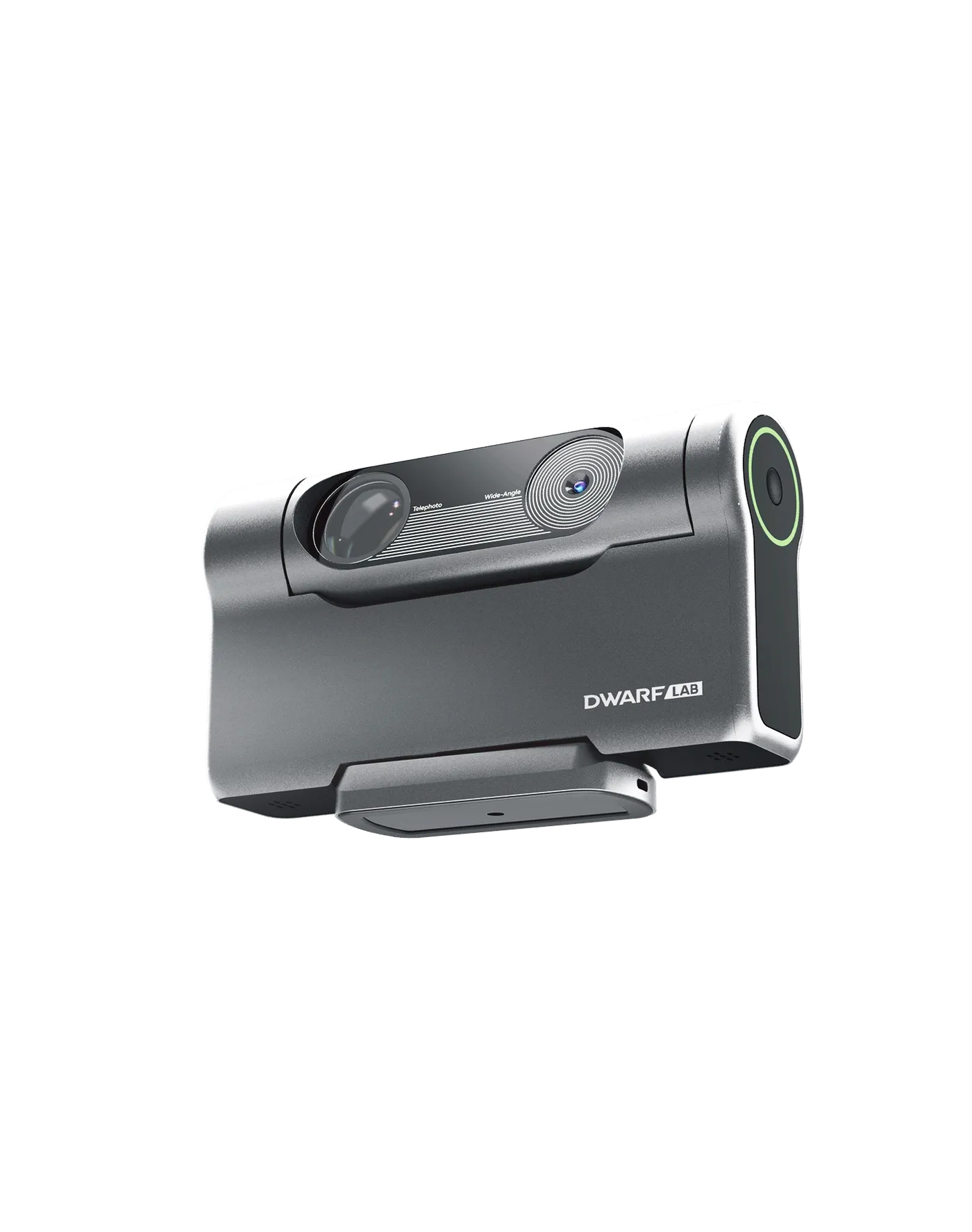
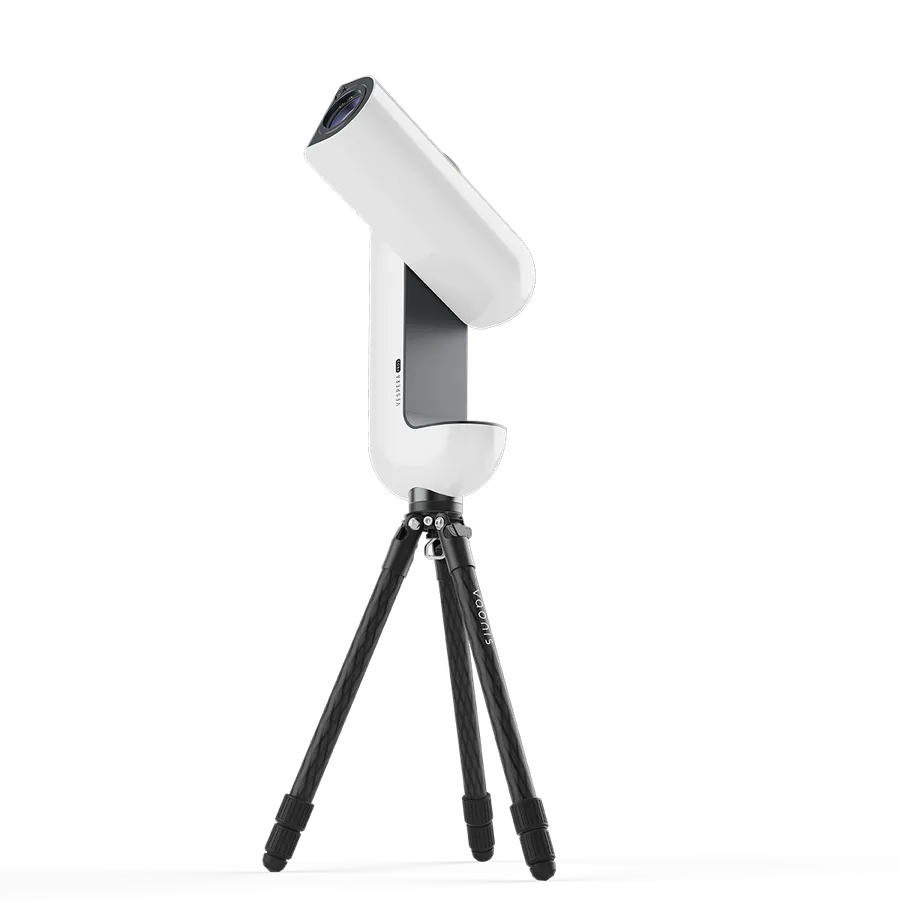
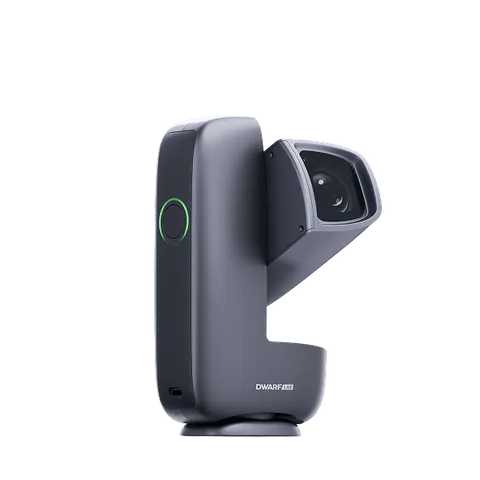
DwarfLab DWARF Mini
≈ 429 €
The first device you buy, and the second one you take everywhere.
not tried here Entry built on the manufacturer's public sources.
The telescopes
Twelve devices, from 200 to 5,300 euros. The table sets the eleven that can be compared side by side. Three lines really decide: the aperture, a dual-band filter, and the price.
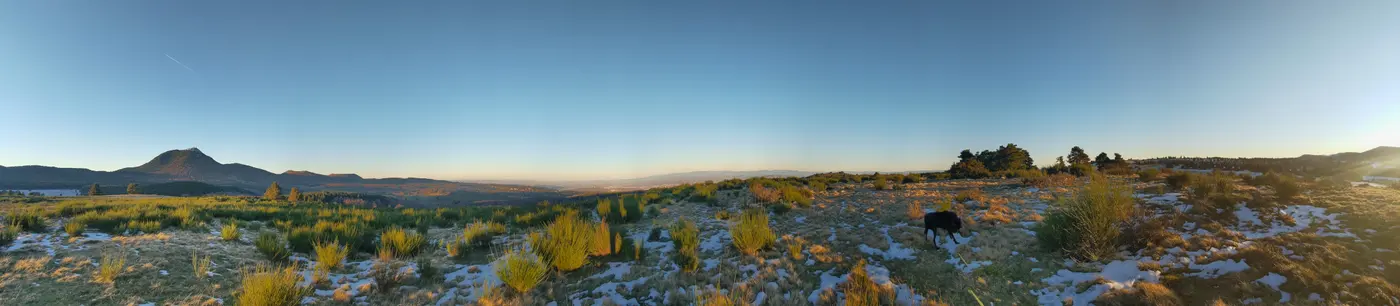
The same plateau, at nightfall · Photograph by the author · location not logged
Every device with its photograph, its price and what it does well. Prices recorded in 2026, excluding promotions and accessories.
Three of the eleven devices compared have been used to make my images. The other eight are documented from the manufacturer datasheets and from published reviews. Never from a personal trial, and that is written on every entry.
Filtre duo-bande : it lets through only the two colours of emission nebulae.
DwarfLab
≈ 429 €
The first device you buy, and the second one you take everywhere.
not tried here Entry built on the manufacturer's public sources.
DwarfLab
≈ 529 €
The large emission nebulae, thanks to the dual-band filter fitted as standard and to the wide field.
tried here 98h 04m of exposure with this device, on 23 objects.
ZWO
≈ 749 €
The same targets as the S30, with room to crop.
not tried here Entry built on the manufacturer's public sources.
ZWO
≈ 999 €
≈ 899 € en offre de lancement jusqu'au 15/09/2026 à 9 h, heure d'été d'Europe centrale
The serious deep sky at a contained price.
not tried here Entry built on the manufacturer's public sources.
DwarfLab
≈ 1 669 €
édition SHO, la seule disponible · édition standard ≈ 1 499 €, épuisée au relevé du 14/09/2026
The demanding deep sky without polar alignment.
not tried here Entry built on the manufacturer's public sources.
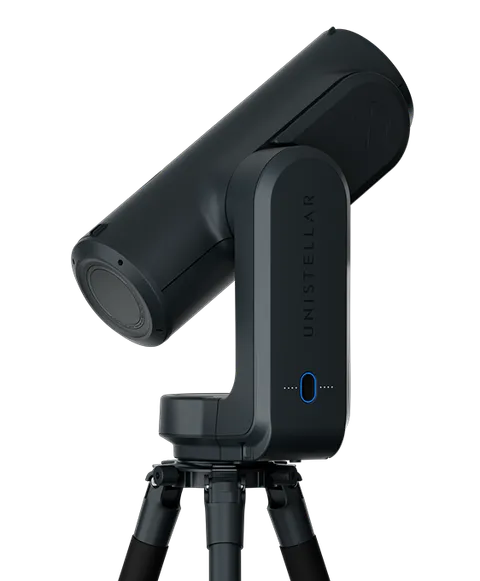
Unistellar
≈ 2 399 €
The deep sky from the suburbs, without the weight of the eQuinox 2.
not tried here Entry built on the manufacturer's public sources.
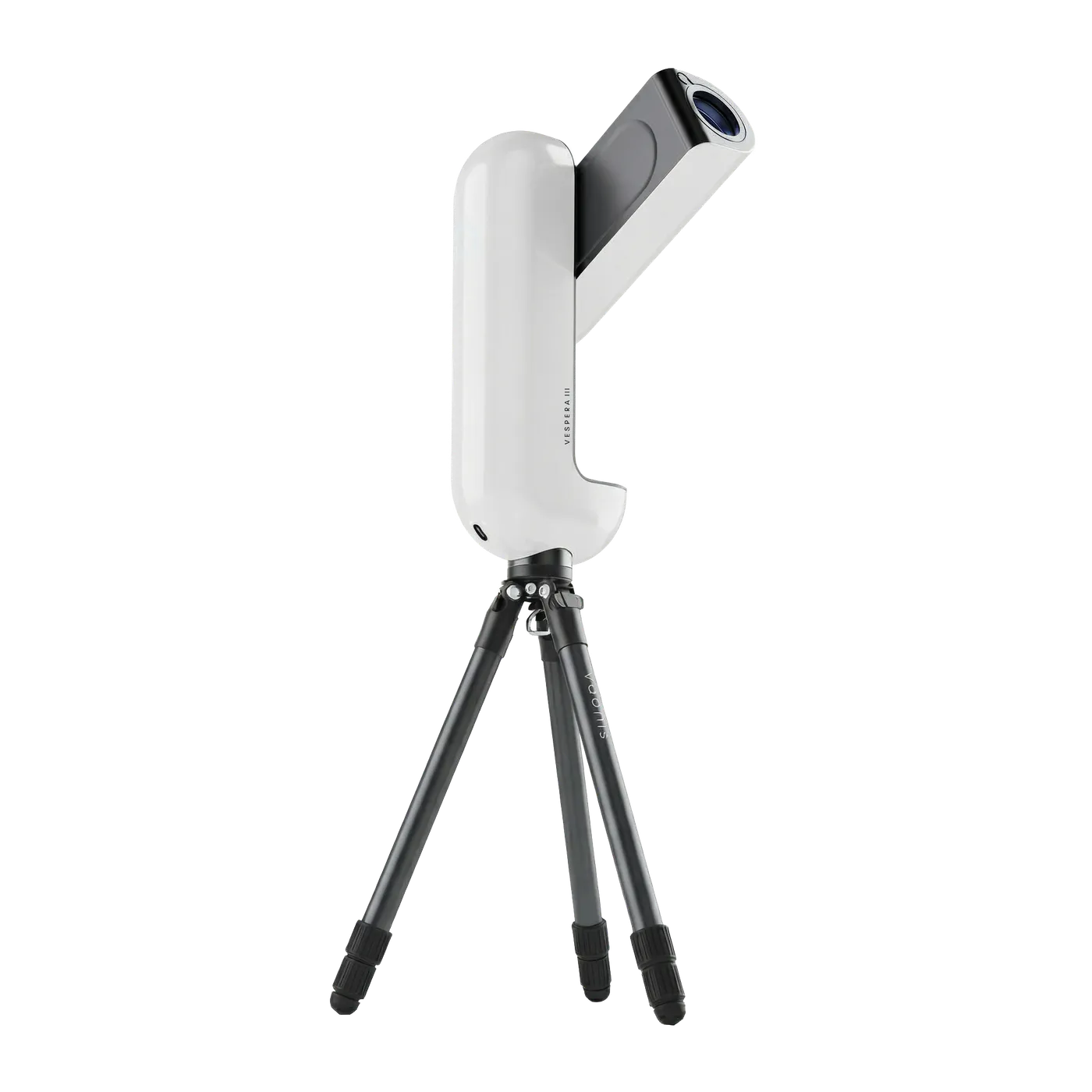
Vaonis
≈ 2 490 €
The wide field with careful optics.
not tried here Entry built on the manufacturer's public sources.
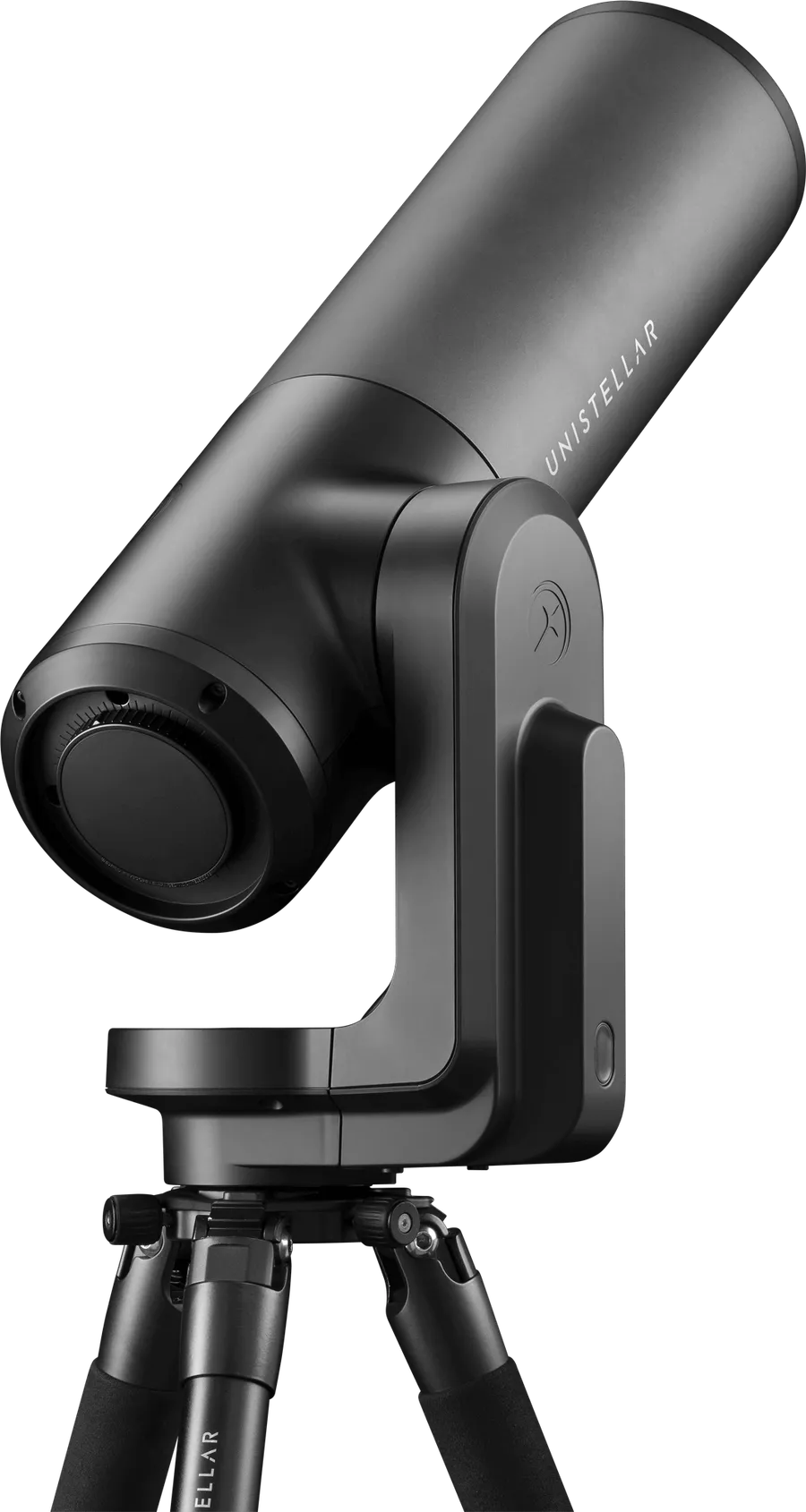
Unistellar
≈ 2 599 €
The faint deep sky, seen from the suburbs.
tried here 4h 08m of exposure with this device, on 14 objects.
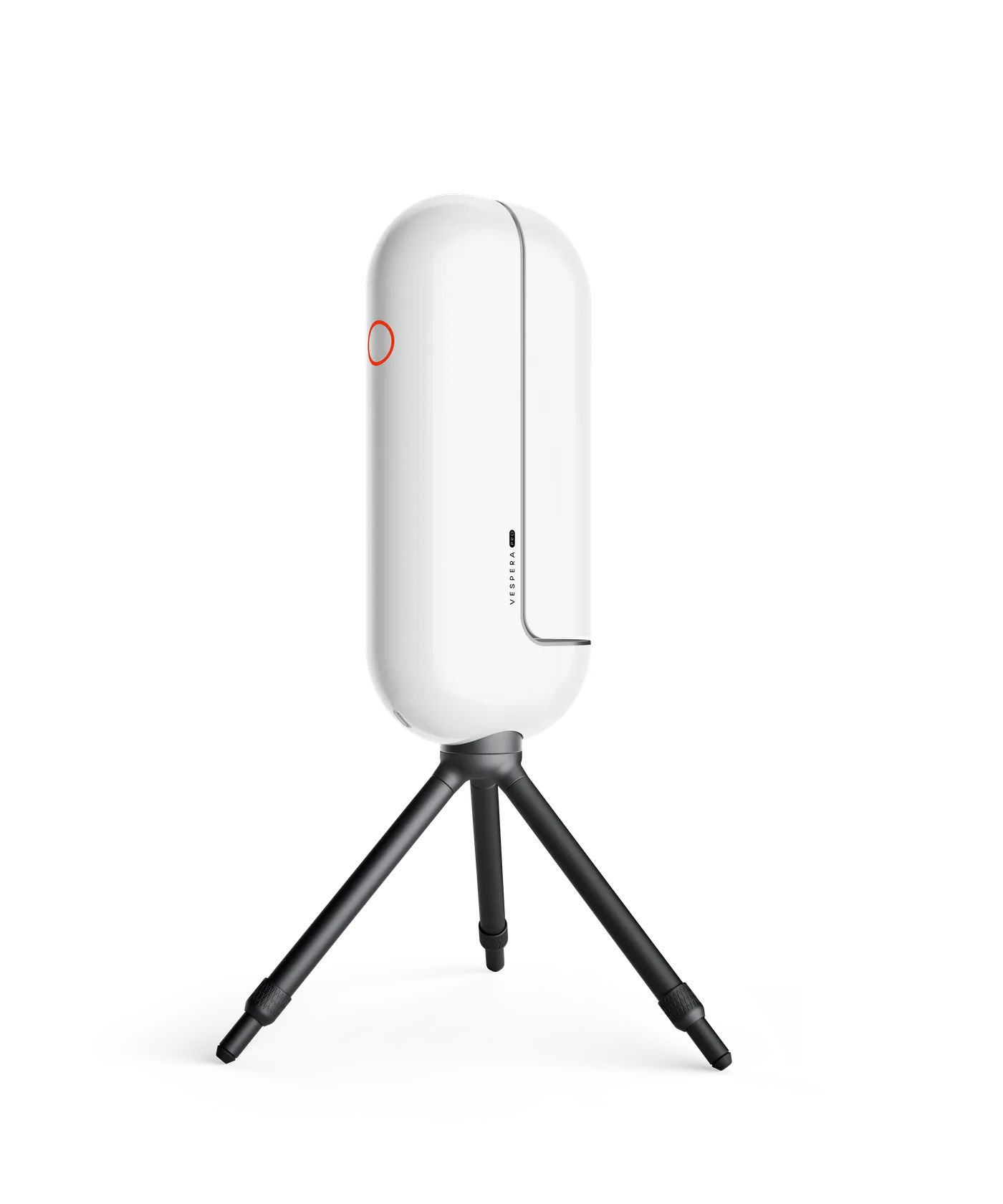
Vaonis
≈ 2 790 €
coffret de filtres ≈ 699 € en plus
Image quality at small diameter.
tried here 62h 37m of exposure with this device, on 4 objects.
Vaonis
≈ 2 990 €
Fine detail and the mosaic.
not tried here Entry built on the manufacturer's public sources.
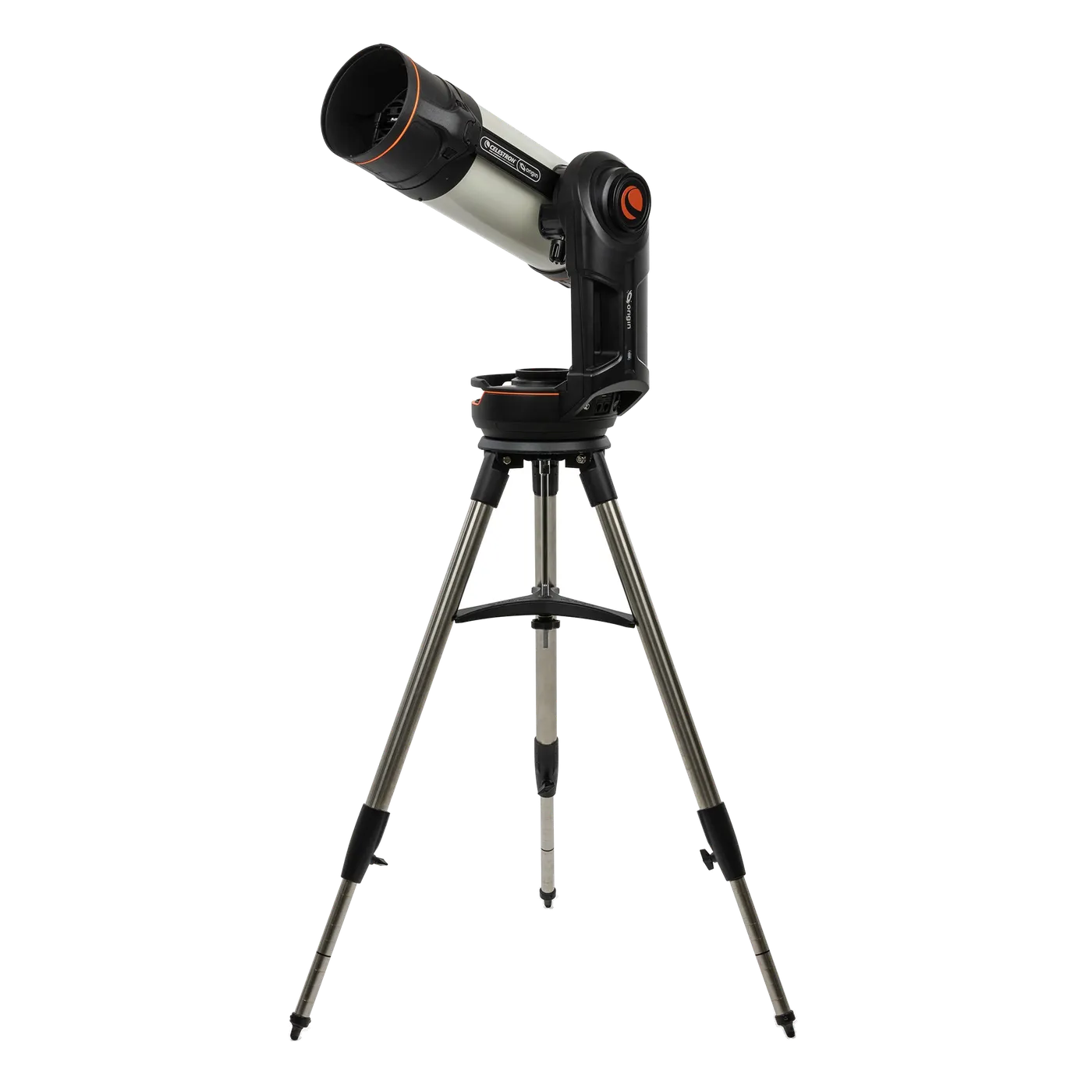
Celestron
≈ 5 300 €
Mark II ; version d'origine encore trouvable ≈ 4 600 € en déstockage
The fixed post in the garden.
not tried here Entry built on the manufacturer's public sources.
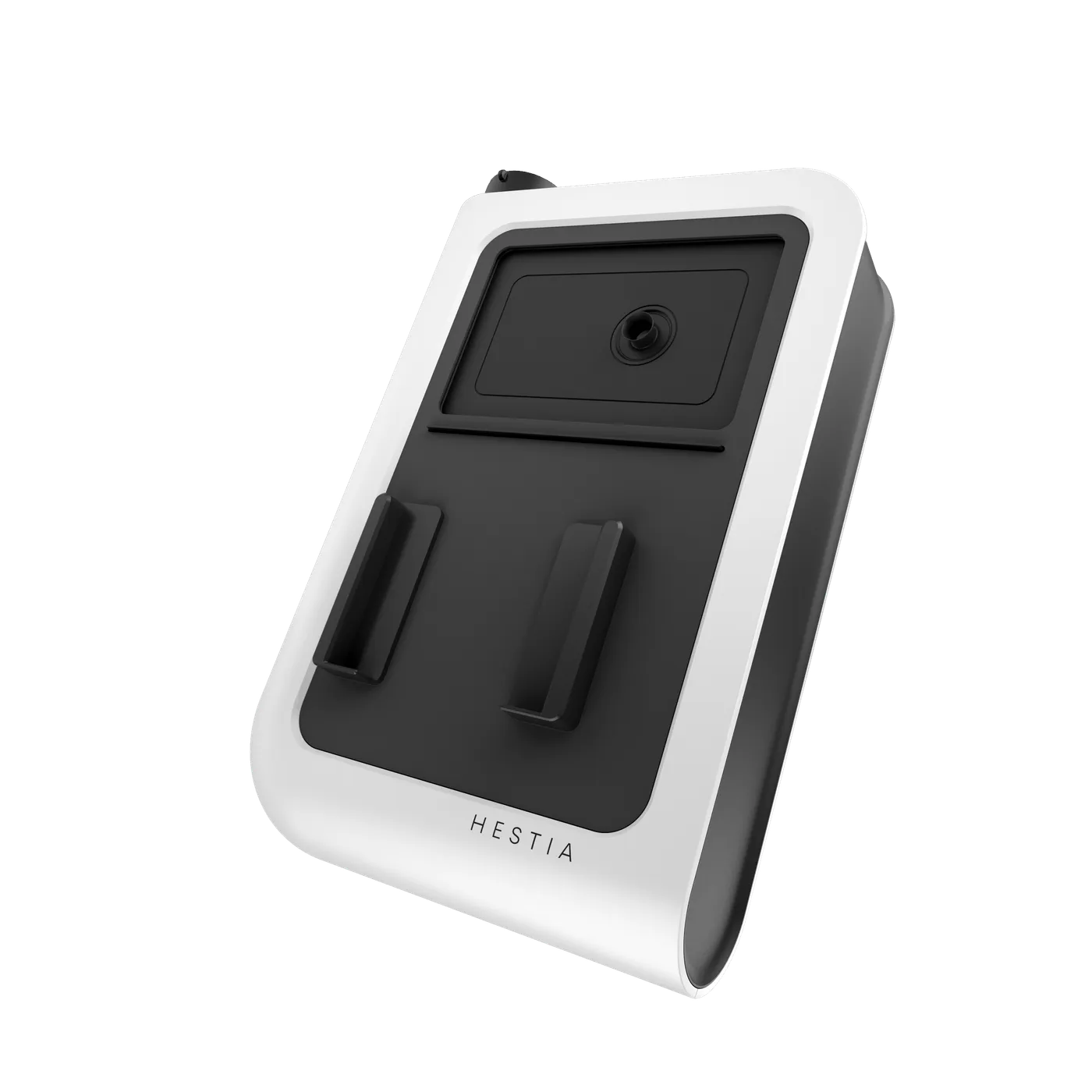
Vaonis not in the comparison
≈ 200 € en pack Essentiel
à partir de 189 € chez le constructeur
The Moon, and the Sun with its filter.
not tried here Entry built on the manufacturer's public sources.
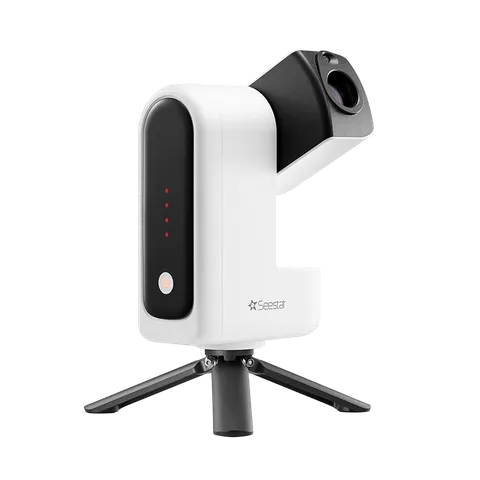
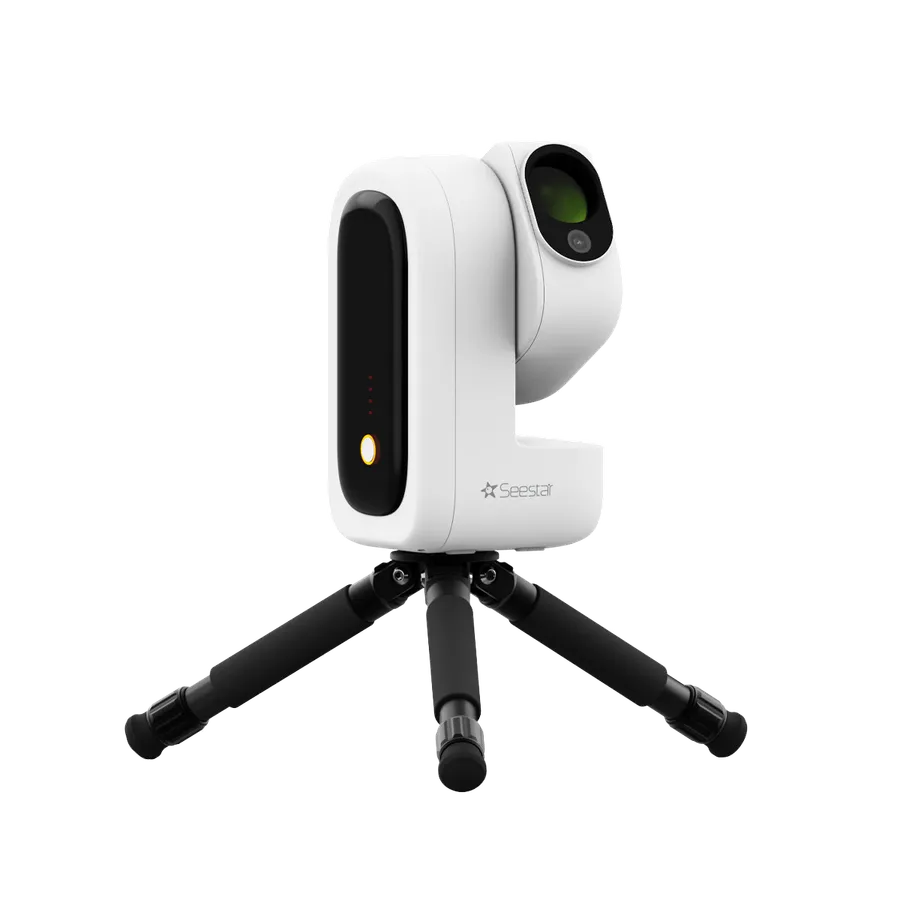
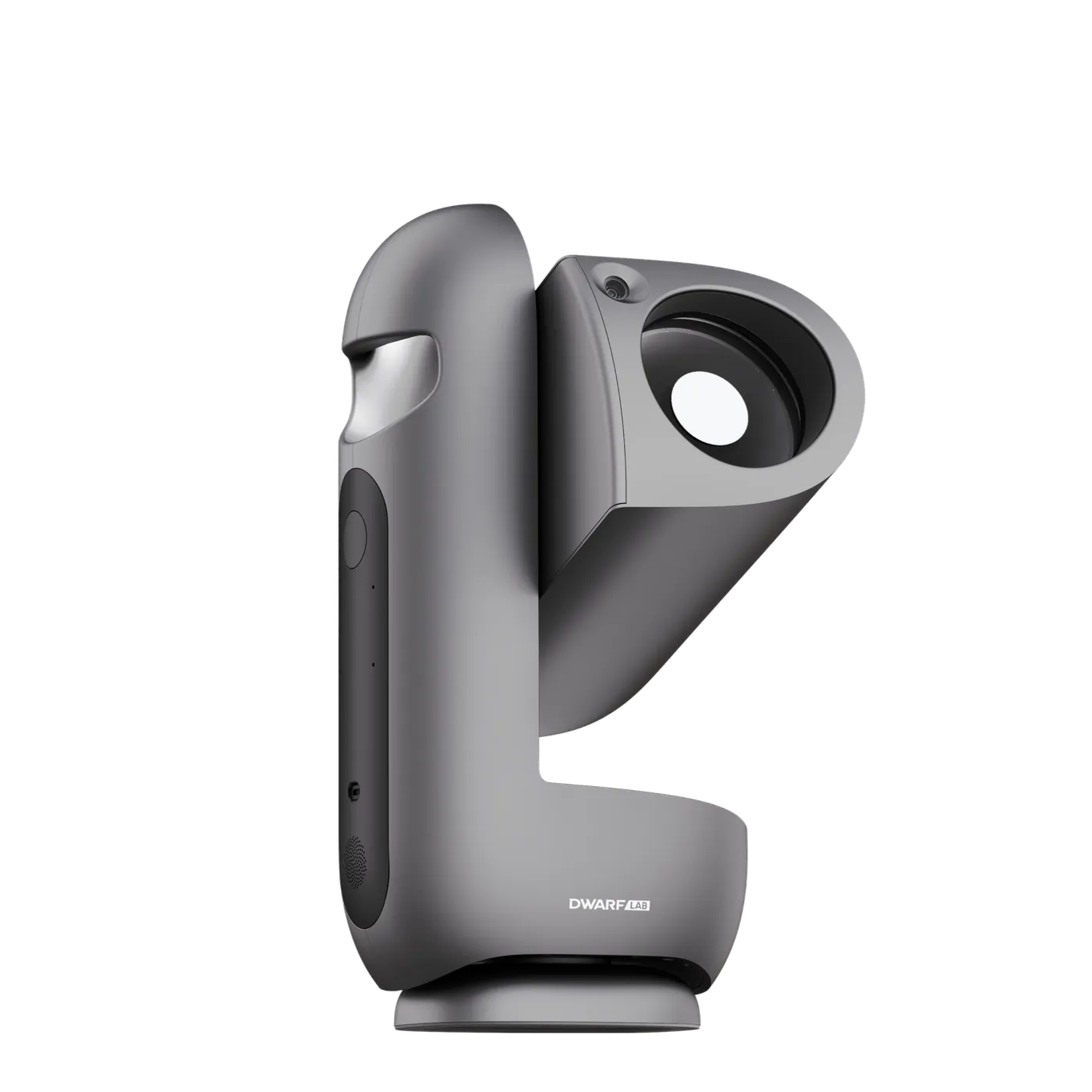
The device photographs are the manufacturers' official images. UST is an authorised reseller for all five brands. No image comes from a competing reseller.
Is it for you
Before comparing the eleven devices in the table line by line, the question no datasheet settles.
Who is it for? For anyone who wants to photograph nebulae, galaxies and star clusters without spending a winter learning how. A conventional telescope asks for three things. Aligning the mount on the pole star. Adding a second device to correct the tracking. Then assembling the images on a computer. Here the device does all three, and the first night already gives you something. That holds under the light pollution of a town as well. It is the case for most of the images published here.
What it is not: an instrument for looking through with your eye, nor a shortcut to the perfect image. Time is still the price to pay. I built this site around that price: the 165h of exposure that produced the 41 entries in the catalogue. They are published image by image, with their duration.
The comparison
Eight columns of published specifications, and their sources. This table ranks nothing and rates nothing.
Rapport d'ouverture : the focal length divided by the diameter, written f/, and the smaller that number, the faster the image forms. Monture azimutale : it moves in altitude and in rotation, but the field turns during the night. Monture équatoriale : one axis set on that of the Earth, so that the field no longer turns.
| Device | Aperture | Focal length | Ratio | Sensor | Resolution | Mount | Weight | Indicative price |
|---|---|---|---|---|---|---|---|---|
| Unistellar eQuinox 2 used here | 114 mm | 450 mm | f/3,9 | Sony IMX347 (4,1 Mpx natifs) | 2 880 × 2 160 px en sortie (6,2 Mpx) | Azimutale motorisée | 9 kg | ≈ 2 599 € |
| Unistellar Odyssey | 85 mm | 320 mm | f/3,8 | Sony 3,4 Mpx, photosites de 1,45 µm (modèle non publié par le constructeur) | Non publiée en pixels : le constructeur n'annonce que 3,4 Mpx | Azimutale motorisée à double axe, avec pointage automatique | 4 kg (6,5 kg avec le trépied) | ≈ 2 399 € |
| DwarfLab DWARF 3 used here | 35 mm (télé) · 3,4 mm (grand angle) | 150 mm (télé) · 6,7 mm (grand angle) | f/4,3 | Sony IMX678 STARVIS 2 | 3 840 × 2 160 px | Azimutale et équatoriale | 1,3 kg | ≈ 529 € |
| DwarfLab DWARF Mini | 30 mm | 150 mm | f/5 | Sony IMX662 | 1 920 × 1 080 px | Azimutale, inclinable en mode équatorial | 0,84 kg | ≈ 429 € |
| DwarfLab Draco | 90 mm (télé) · 2,96 mm (grand angle) | 340 mm (télé) · 5,56 mm (grand angle) | f/3,8 | OmniVision OV50Q40 (télé, 1/1,3 pouce) · OV50E40 (grand angle) · OS04C1B monochrome (guidage) | 12 Mpx en sortie, par regroupement 2 × 2 sur un capteur de 50,33 Mpx | Azimutale à dérotateur de champ, mode équatorial pris en charge | 5,5 kg | ≈ 1 669 € (édition SHO, la seule disponible · édition standard ≈ 1 499 €, épuisée au relevé du 14/09/2026) |
| Vaonis Vespera 3 | 50 mm | 245 mm | f/4,9 | Sony IMX585, format 1/1,2 pouce, 11,2 × 6,3 mm, photosites de 2,9 µm | 3 840 × 2 160 px (8,3 Mpx) | Azimutale motorisée | 5 kg | ≈ 2 490 € |
| Vaonis Vespera Pro 2 | 50 mm | 245 mm | f/4,9 | Sony IMX676, format 1/1,6 pouce, 7,0 × 7,0 mm, photosites de 2 µm | 3 536 × 3 536 px (12,5 Mpx) | Azimutale motorisée | 5 kg | ≈ 2 990 € |
| Vaonis Vespera Pro used here | 50 mm | 250 mm | f/5 | Sony IMX676 STARVIS 2, 12,5 Mpx | 3 536 × 3 536 px (12,5 Mpx) | Azimutale motorisée | 5 kg | ≈ 2 790 € (coffret de filtres ≈ 699 € en plus) |
| ZWO Seestar S30 Pro | 30 mm (télé) · 3,4 mm (grand angle) | 160 mm (télé) · 6 mm (grand angle) | f/5,3 | Sony IMX585 (télé) · Sony IMX586 (grand angle) | 2 160 × 3 840 px au téléobjectif (8,3 Mpx) | Azimutale motorisée, mode équatorial pris en charge | 1,65 kg | ≈ 749 € |
| ZWO Seestar S50 Pro | 50 mm (télé) · 3,4 mm (grand angle) | 260 mm (télé) · 6 mm (grand angle) | f/5,2 | OmniVision OS08B10 (télé, 1/1,2 pouce, photosites de 2,9 µm) · Sony IMX586 (grand angle) | 2 160 × 3 840 px au téléobjectif (8,3 Mpx) | Azimutale motorisée, mode équatorial pris en charge | 2,8 kg (bloc principal) | ≈ 999 € (≈ 899 € en offre de lancement jusqu'au 15/09/2026 à 9 h, heure d'été d'Europe centrale) |
| Celestron Origin | 152 mm | 335 mm | f/2,2 | Sony IMX178 STARVIS (IMX678 sur la Mark II) | 3 096 × 2 080 px | Azimutale motorisée | 19 kg | ≈ 5 300 € (Mark II ; version d'origine encore trouvable ≈ 4 600 € en déstockage) |
Prices recorded in 2026, excluding promotions and accessories. Every product entry carries its own sources.
Two of these devices also exist in an eyepiece version, under another name and at another price: eQuinox 2 becomes the eVscope 2 at ≈ 4 699 €, Odyssey becomes the Odyssey Pro at ≈ 4 199 €. This eyepiece does not open onto the sky: it is a micro screen looked at through a block of lenses, and the image comes from the same sensor. The table compares only the versions without an eyepiece; each entry says what the other one changes and what it costs.
not in the comparison Vaonis Hestia, ≈ 200 € en pack Essentiel, has no line in this table, and its entry says why. This is not a smart telescope. Six lenses, 30 mm, no motor, no tracking, no sensor. The image forms in the camera of the phone you set on top of it. The comparison table has the sensor, the mount and the focal ratio for its columns. Filing the Hestia there would blur the category instead of lighting it up. So it has its entry, and it has no line.
What each one frames
A focal length does not say what you will see in the frame. Two devices of the same focal length, with different sensors, do not frame the same portion of sky. So here is the field that each manufacturer publishes, drawn to the same scale, with the disc of the full Moon at the centre. The devices whose manufacturer does not publish a field as width and height keep their thumbnail, and it is empty.
Fields of view published by the manufacturers, all drawn to the same scale, with the disc of la pleine Lune, 0.5°, as the reference. Unistellar eQuinox 2: 34,2′ × 45,6′. Unistellar Odyssey: 33,6′ × 45′. Vaonis Vespera 3: 2,5° × 1,4°. Vaonis Vespera Pro 2: 1,6° × 1,6°. Vaonis Vespera Pro: 1,6° × 1,6°. Celestron Origin: 1,32° × 0,75°. Not drawn, for want of a field published as width and height: DwarfLab DWARF 3, DwarfLab DWARF Mini, DwarfLab Draco, ZWO Seestar S30 Pro, ZWO Seestar S50 Pro.
34,2′ × 45,6′
33,6′ × 45′
2,5° × 1,4°
Vaonis publie 2,5° × 1,4° dans son tableau comparatif et 2,6° × 1,4° sur sa page de gamme. Le tableau fait foi ici.
1,6° × 1,6°
Vaonis publie deux mosaïques qui se contredisent : 4,18° × 2,45° dans son tableau comparatif, 3,2° × 3,2° sur sa page de gamme. Le tableau fait foi ici.
1,6° × 1,6°
1,32° × 0,75°
Celestron publie ce champ pour la Mark II, celle dont le prix est relevé ici.
not drawn 3°
DwarfLab publie deux valeurs qui ne concordent pas : « 3° » en présentation, et « D : 3,38° au téléobjectif » dans son tableau de caractéristiques, où la lettre D dit que c'est une diagonale. Le nombre de la présentation est repris ici ; aucun des deux n'est une largeur et une hauteur, donc aucun ne se dessine.
not drawn 2,45°
DwarfLab publie une diagonale, et il le dit : son tableau de caractéristiques écrit « D : 2,45° au téléobjectif » et « D : 50,59° au grand angle ». Une diagonale seule ne donne ni la largeur ni la hauteur du cadre : la vignette reste vide.
not drawn 2,059° en diagonale au téléobjectif, en mode astronomie
DwarfLab ne publie qu'une diagonale, précédée de la lettre D, jamais une largeur et une hauteur. Il publie aussi 1,936° dans les autres modes, et 85,74° en diagonale au grand angle.
not drawn 4,6° au téléobjectif
ZWO publie un seul nombre, sans dire s'il s'agit de la largeur, de la hauteur ou de la diagonale. Il publie de même 63° au grand angle.
not drawn 2,8° au téléobjectif, en cadrage portrait
ZWO publie un seul nombre, sans dire s'il s'agit de la largeur, de la hauteur ou de la diagonale. Il publie de même 63° au grand angle.
The disc at the centre of each thumbnail is la pleine Lune, 0.5°, the value the glossary already publishes. The 6 frames drawn are at the same scale, a square 2.7° on a side: they are really being compared, instead of each being looked at in its own box.
None of these fields is calculated. Each one is copied from the manufacturer page, recorded on 14/09/2026. The only operation applied is the conversion of arcminutes into degrees, at 60′ to 1°. A field cannot be worked out from the focal length or from the focal ratio: the sensor size is needed, and the resolution a manufacturer publishes is not always that of its sensor. Not all manufacturers say which side is the width: the longer published side is drawn horizontally.
The Vaonis Vespera 3 also publishes a en mosaïque CovalENS field of 4,33° × 2,43°, too large for this shared frame: it is not drawn here. The Vaonis Vespera Pro 2 also publishes a en mosaïque CovalENS field of 4,18° × 2,45°, too large for this shared frame: it is not drawn here. The Vaonis Vespera Pro also publishes a en mosaïque CovalENS field of 4,18° × 2,45°, too large for this shared frame: it is not drawn here.
What is missing is written down. 5 of the 11 devices compared have no frame: their manufacturers do not publish a field as width and height. The figures they do publish are repeated as they stand under the thumbnails. I do not fill in the rest from memory.
Recorded on 14/09/2026 from: Unistellar, boutique officielle, fiche eQuinox 2 · Unistellar, page officielle de l'Odyssey · Vaonis, tableau officiel de comparaison des modèles · Vaonis, fiche Vespera Pro · Celestron, fiche Origin · DWARFLAB, fiche technique DWARF 3 · DWARFLAB, fiche produit DWARF mini · DWARFLAB, fiche produit Draco · ZWO Seestar, fiche officielle du Seestar S30 Pro · ZWO Seestar, fiche officielle du Seestar S50 Pro
Which one for you
Each route states its criterion first. It is the criterion that picks the device. The lowest price, the highest resolution, the largest aperture, or the time spent with it. No route says “best”, and each one carries what works against it.
01
the lowest price in the panel
≈ 429 € · 30 mm of aperture · f/5 · 0,84 kg
In this panel: the lowest price, the lowest weight.
I have never had it in my hands. Its scale stays at zero and its gallery stays empty. Its entry is built on public sources.
02
under 600 euros, the one I have really worked with
≈ 529 € · 35 mm of aperture · f/4,3 · 1,3 kg
Under 600 euros: the largest aperture, the highest published resolution, the fastest focal ratio.
Recorded first hand: 34 shots, 23 objects, 98h 04m logged with it in this catalogue.
03
the highest published resolution in the panel
≈ 2 990 € · 50 mm of aperture · f/4,9 · 5 kg
In this panel: the highest published resolution.
I have never had it in my hands. Its scale stays at zero and its gallery stays empty. Its entry is built on public sources.
04
the largest aperture in the panel
≈ 5 300 € · 152 mm of aperture · f/2,2 · 19 kg
In this panel: the largest aperture, the fastest focal ratio.
I have never had it in my hands. Its scale stays at zero and its gallery stays empty. Its entry is built on public sources.
These four routes read published specifications and hours actually logged. They do not rank the devices and do not rate their quality. An empty track is a device that was not tested, not a bad device.
None of the four looks like you? Say your budget and what you want to photograph: the answer will say which of the twelve suits, and which does not.
A model released, a price that changes, a specification that is wrong: report it, and it will be corrected and dated.