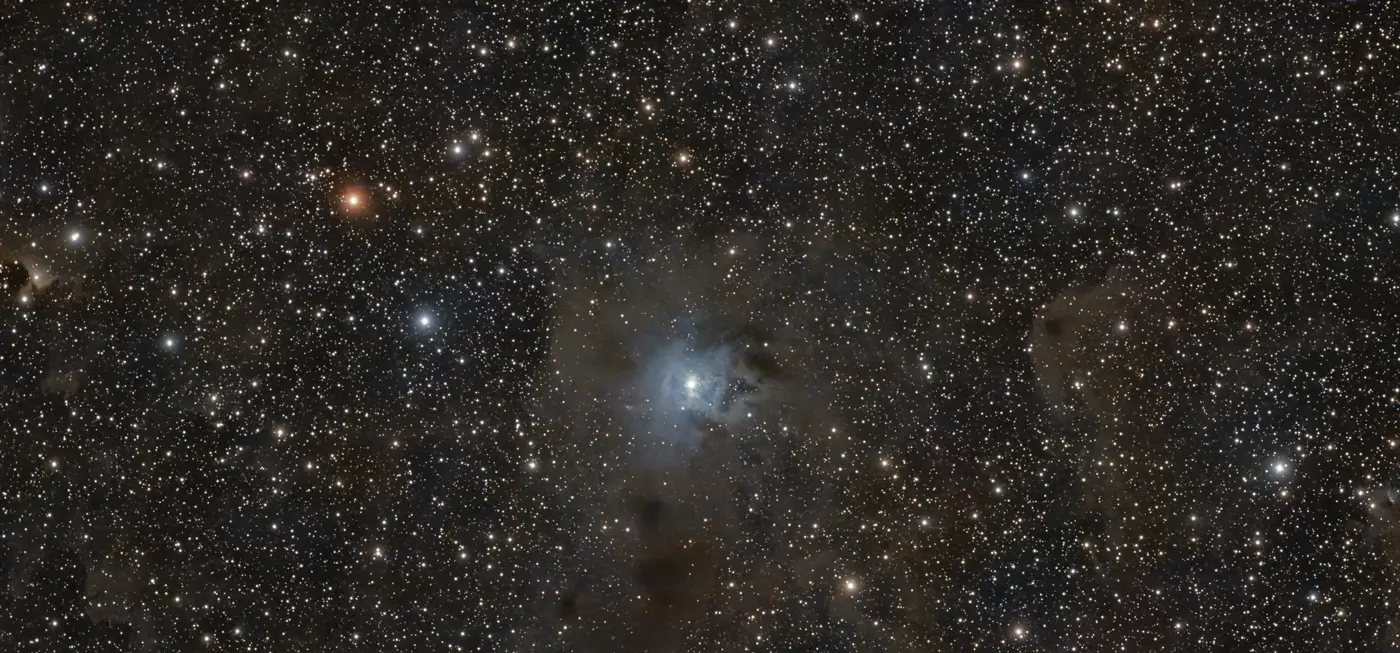
NGC 7023
Comparing two devices
Both devices on this page have been used to make images published here. 34 shots, 23 objects and 98h 04m with the DwarfLab DWARF 3. 17 shots, 14 objects and 4h 08m with the Unistellar eQuinox 2. It is the only head to head on the site where both sides carry hours actually spent. Elsewhere, I am putting two manufacturer datasheets face to face.
recorded first hand DwarfLab DWARF 3
98h 04m
0 towards 165h · hours I have logged with this device, this is not a rating
recorded first hand Unistellar eQuinox 2
4h 08m
0 towards 165h · hours I have logged with this device, this is not a rating
Line by line
Every value comes from the entry for that device, where it carries its source. The difference column is worked out here, from those two values. It gives the size of the gap, never its direction: the two columns before it already say that. It stays empty on lines with no number. It stays empty too wherever a percentage would mean nothing.
Rapport d'ouverture : the focal length divided by the diameter, written f/, and the smaller that number, the faster the image forms. Monture azimutale : it moves in altitude and in rotation, but the field turns during the night. Monture équatoriale : one axis set on that of the Earth, so that the field no longer turns.
| Specification | DwarfLab DWARF 3 | Unistellar eQuinox 2 | Difference |
|---|---|---|---|
| Aperture | 35 mm (télé) · 3,4 mm (grand angle) | 114 mm | facteur 3,3 |
| Focal length | 150 mm (télé) · 6,7 mm (grand angle) | 450 mm | facteur 3 |
| Focal ratio | f/4,3 | f/3,9 | |
| Sensor | Sony IMX678 STARVIS 2 | Sony IMX347 (4,1 Mpx natifs) | |
| Resolution | 3 840 × 2 160 px | 2 880 × 2 160 px en sortie (6,2 Mpx) | |
| Mount | Azimutale et équatoriale | Azimutale motorisée | |
| Weight | 1,3 kg | 9 kg | facteur 6,9 |
| Software | DWARFLAB (iOS, Android) | Unistellar (iOS, Android) | |
| Indicative price | ≈ 529 € | ≈ 2 599 € | facteur 4,9 |
Prices recorded in 2026, excluding promotions and accessories. The DwarfLab DWARF 3 and Unistellar eQuinox 2 entries each carry their own sources, one per specification.
What the data settles
The price. The cheaper is the DwarfLab DWARF 3, at ≈ 529 €. The Unistellar eQuinox 2 asks ≈ 2 599 €, which is facteur 4,9 more. These are market prices, recorded in 2026 from the sources cited at the foot of the page. They are not my selling prices.
The diameter. The DwarfLab DWARF 3 opens at 35 mm. The Unistellar eQuinox 2 opens at 114 mm, which is facteur 3,3 more. Diameter commands resolution, the finest detail that can come out of the exposure, whatever its length.
The time it takes. Unistellar eQuinox 2 is the faster of the two, f/3,9 against f/4,3. L'eQuinox 2 makes in 1h an image that takes 1h 13m au DWARF 3.
The weight. The DwarfLab DWARF 3 weighs 1,3 kg. The Unistellar eQuinox 2 weighs 9 kg, which is facteur 6,9 more. Weight says nothing about image quality: it says what you can carry.
These lines read published specifications and hours actually logged. They do not rank the two devices and do not rate their quality. An empty track is a device that was not tested, not a bad device. The exposure equivalence compares nothing but the published focal ratios, with sensor, sky and target held identical. It says nothing about resolution, about the field, or about optical quality.
The two devices
DwarfLab · ≈ 529 €
35 mm of aperture, a STARVIS 2 sensor, a built-in dual-band filter, an equatorial mode. It is the best result per euro of the devices compared here.
Strong points
Weak points
Unistellar · ≈ 2 599 €
A 114 mm Newtonian with enhanced vision: a mirror telescope, with no eyepiece. The image builds on the phone, minute after minute.
Strong points
Weak points
The images, from each side
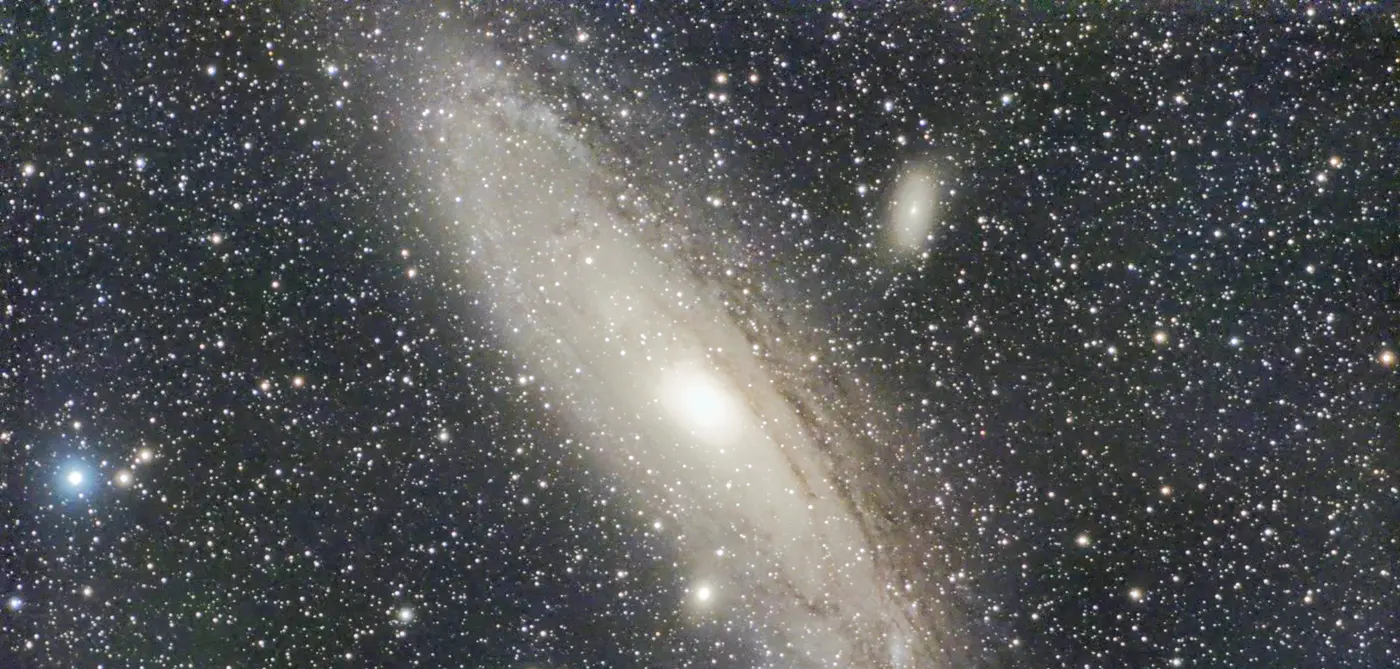
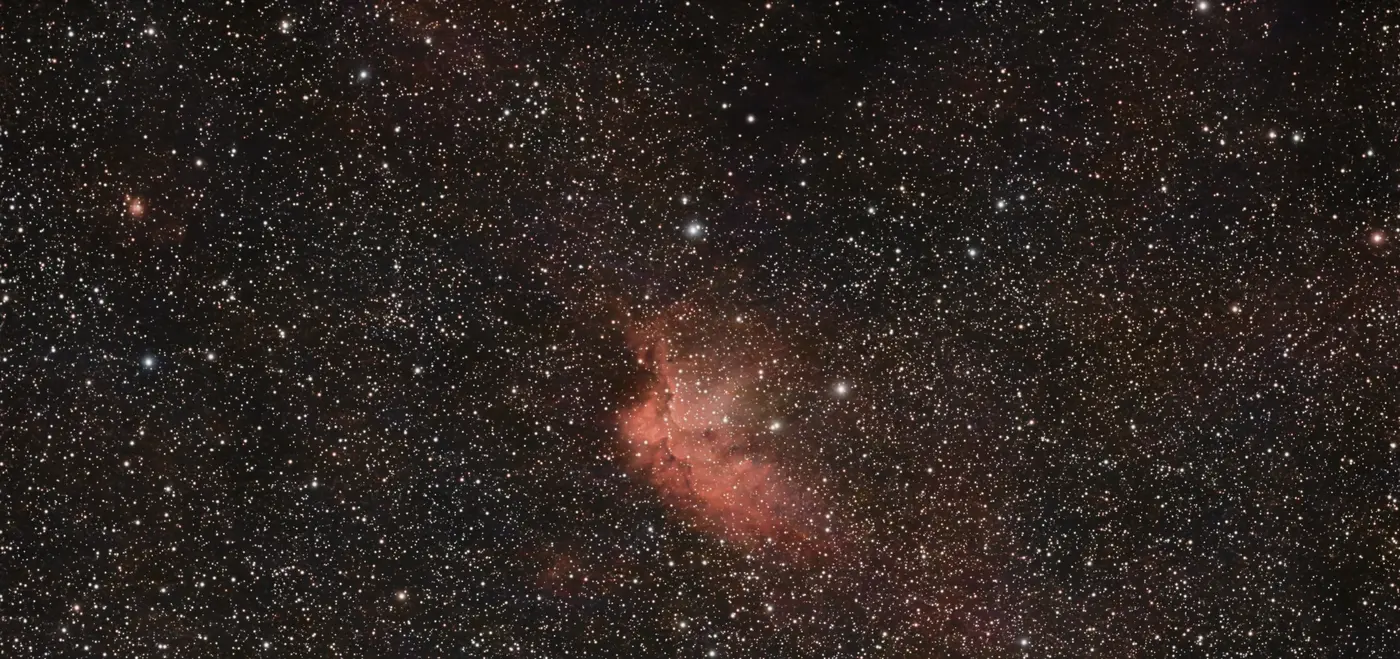
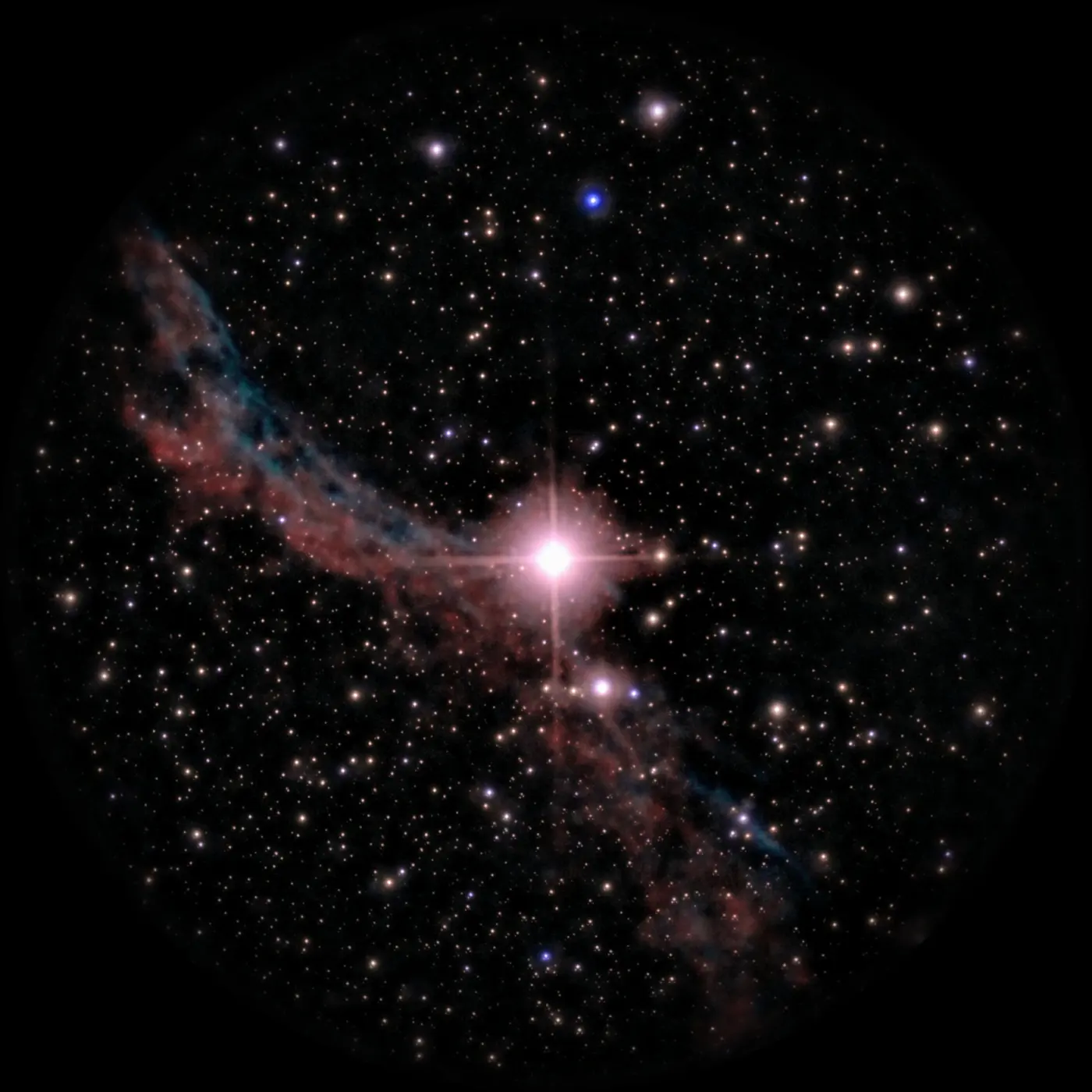
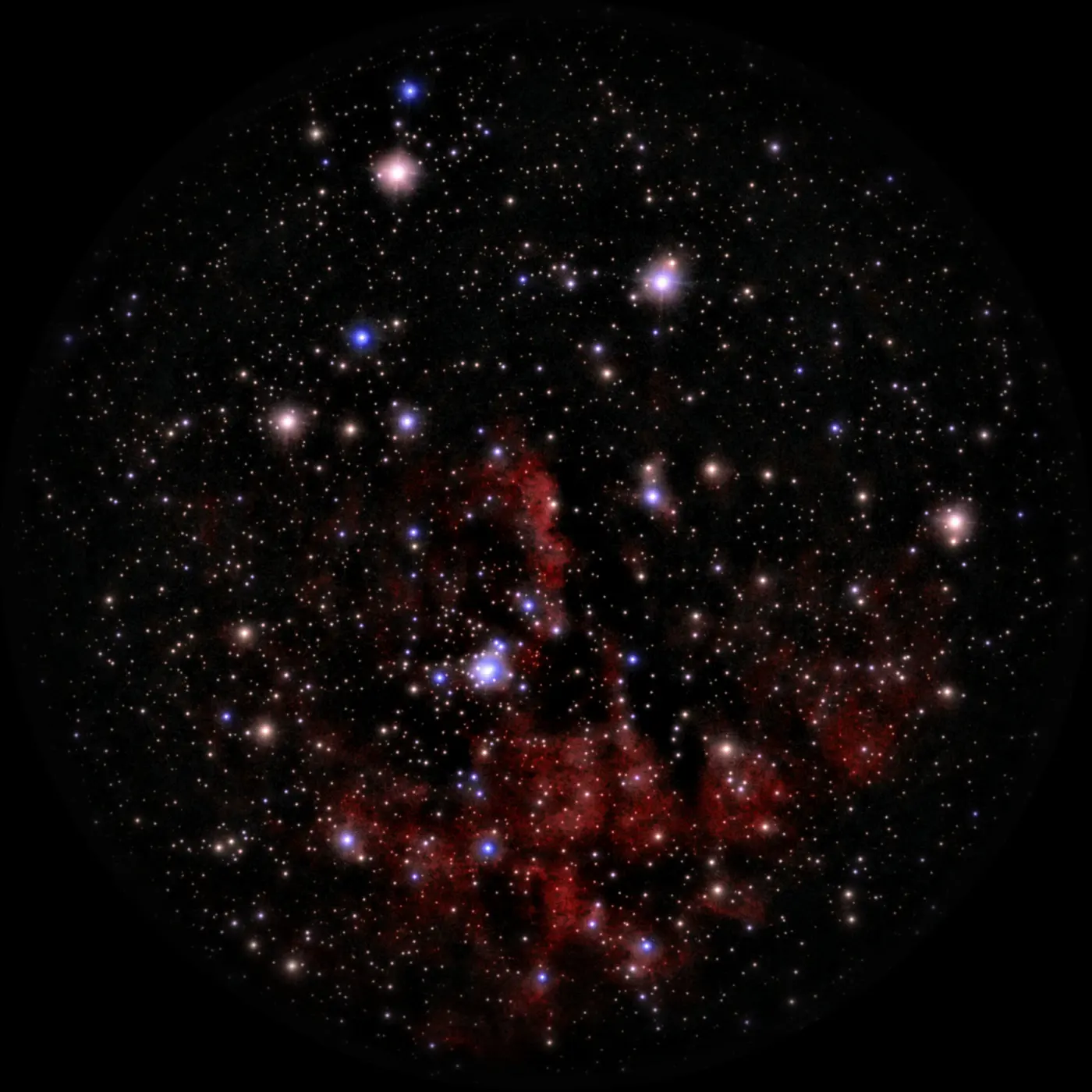
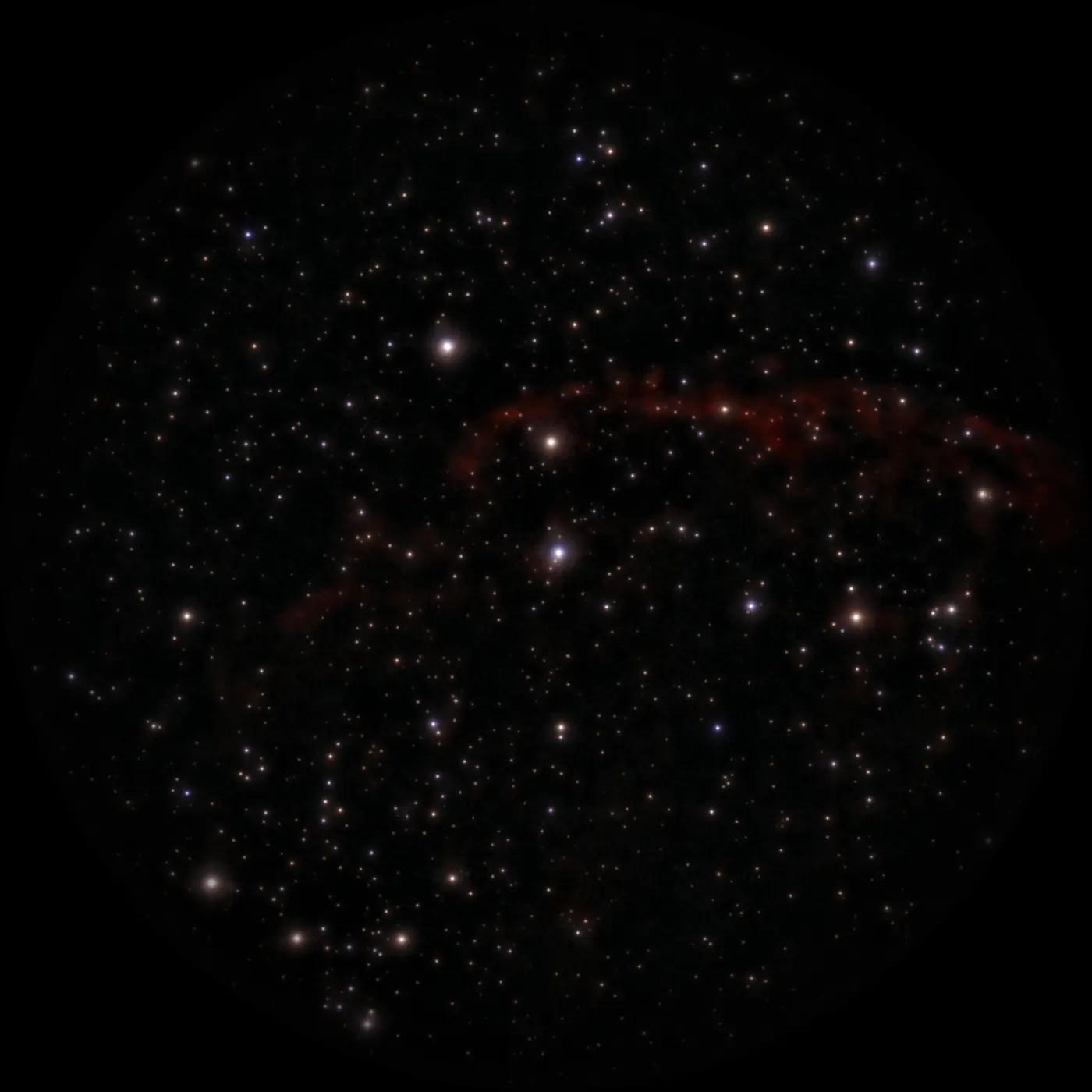
No manufacturer image, no stock image. Each thumbnail keeps the aspect ratio of its sensor, and carries the exposure time read off the caption the device burns in.
DwarfLab DWARF 3
Unistellar eQuinox 2
Getting hold of one
There is no basket and no online payment. You say which one interests you. You can also describe what you want to photograph, and from what sky. The answer comes in writing: a price, a lead time, and what the device can and cannot do. If neither of the two suits, it will say so, and it will say which one suits better.
The prices shown on this page are market prices recorded in 2026 from the sources below. They are not selling prices, and they do not constitute an offer. Your price, your lead time and availability appear in the written reply.
Sources
No value on this page is estimated. The differences are worked out from the values above. The focal ratio, for its part, is recalculated from the published aperture and focal length. A specification wrong or out of date? Report it.