Skip to content

Chine, Shenzhen · founded in 2021

The DwarfLab smart telescopes

The dual-band filter supplied as standard, and the lowest entry price.

The disruptor. DwarfLab broke the entry price of the smart telescope. It fitted a recent sensor, a dual-band filter and an equatorial mount into a body the size of a book. No other device gives as much for its price as the DWARF 3.

recorded first hand In this catalogue: 34 shots · 98h 04m · 23 objects

98h 04m

0 towards 165h · hours I have logged with this device, this is not a rating

The range

Three devices in the comparison

Rapport d'ouverture : the focal length divided by the diameter, written f/, and the smaller that number, the faster the image forms. Monture azimutale : it moves in altitude and in rotation, but the field turns during the night. Monture équatoriale : one axis set on that of the Earth, so that the field no longer turns.

f/4,3 · Sony IMX678 STARVIS 2

DWARF 3

35 mm of aperture, a STARVIS 2 sensor, a built-in dual-band filter, an equatorial mode. It is the best result per euro of the devices compared here.

1h on l'Origin = 3h 49m here

Aperture
35 mm
Weight
1,3 kg
Indicative price
≈ 529 €

Used for this site

f/5 · Sony IMX662

DWARF Mini

The smallest smart telescope on the market. 30 mm in a body of 840 g, filters included.

1h on l'Origin = 5h 10m here

Aperture
30 mm
Weight
0,84 kg
Indicative price
≈ 429 €

f/3,8 · OmniVision OV50Q40

Draco

90 mm in a 5.5 kg body, with a sensor that turns on itself to cancel out the rotation of the sky. DwarfLab leaves the small format behind and aims at the portable observatory.

1h on l'Origin = 2h 59m here

Aperture
90 mm
Weight
5,5 kg
Indicative price
≈ 1 669 € (édition SHO, la seule disponible · édition standard ≈ 1 499 €, épuisée au relevé du 14/09/2026)

This equivalence says nothing about resolution, about the field or about optical quality: f/2,2 on 152 mm and f/5,3 on 30 mm do not photograph the same objects. Worked out from the published focal ratios alone, with sensor, sky and target held identical.

Images made with this brand

What these devices really produce

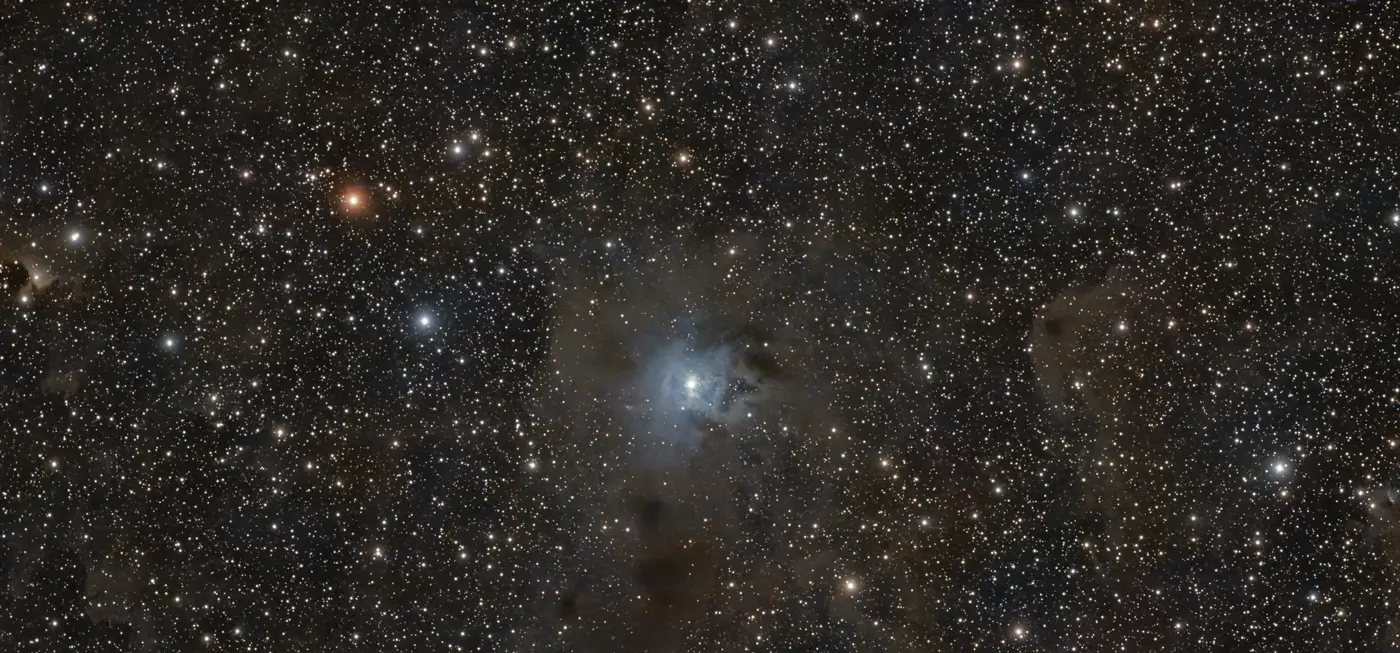
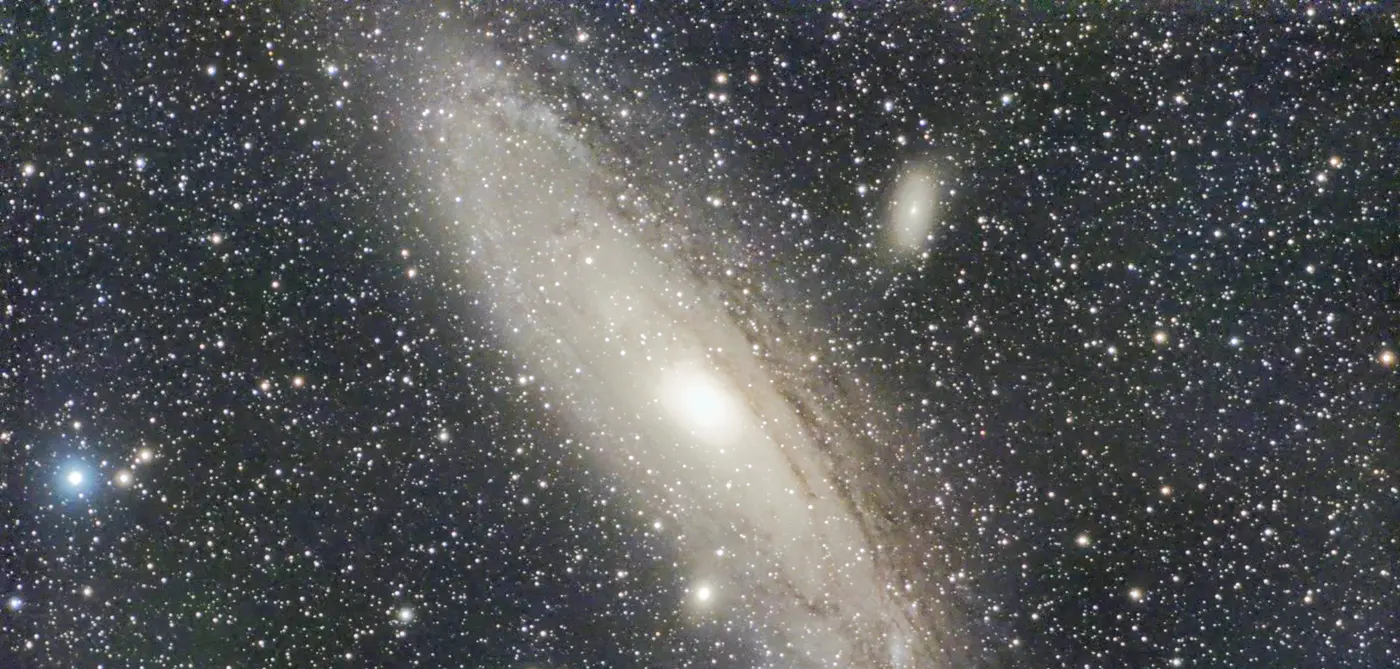
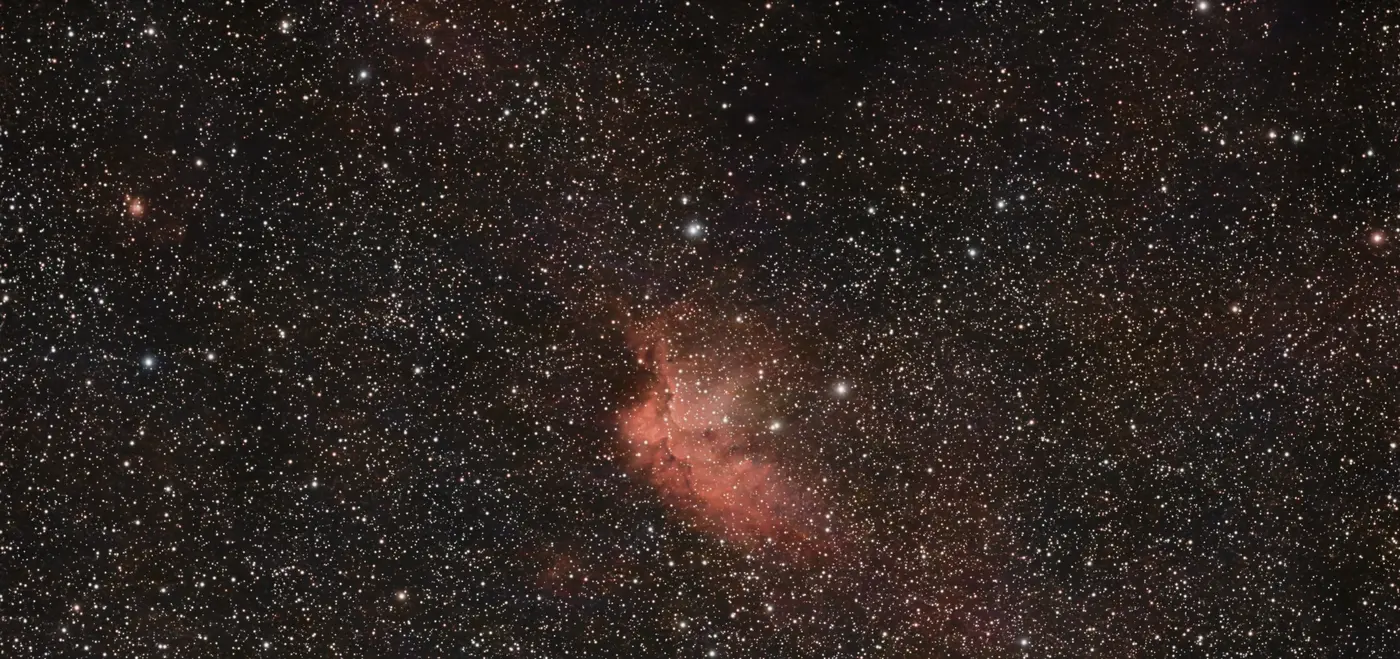
No manufacturer image, no stock image. Each thumbnail keeps the aspect ratio of its sensor: the shape of the frame says which instrument the photograph was made with.

Following this brand

What is checked, and what is not

This page does not copy out a press release. Here is how it is made, and what it does not claim to know.

  • The specifications come from the manufacturer datasheets and from published reviews, listed on each product entry.
  • Prices are recorded in 2026, excluding promotions, and they move fast: they are indicative.
  • At least one device from this brand has been used to make the images published here: my notes on using it come from practice.
  • The scale above measures the hours ofintegration (the total exposure time, the sum of every exposure stacked on an object) logged with these devices, from 0 to 165h across the whole catalogue. It is not a quality rating: an empty track is a device that was not tested, not a bad device.
  • The devices from this brand can be ordered from me, and I earn an income from them. No brand funds these pages. No link earns a commission. No manufacturer proofreads what I write here. That is why this page also publishes the weak points, and says which devices I have never tried.
Order a DwarfLab device